Imagine the moment you have a deadline for your project at work, but instead of starting your task, you just keep scrolling on your phone. How do you feel at that moment? Do you think, “How lazy I am”? Maybe in this situation, all of us blame ourselves for being lazy and irresponsible, but researchers don’t. It’s more about “procrastination” than just a simple label like “lazy or irresponsible” person. Remember the moment when you are overwhelmed by an unpleasant task and feel anxious and worried. What can be a perfect relief in the moment? Right, a tranquilizer like watching funny videos on TikTok or having a tasty snack to improve our feelings. But the bad news is these kinds of impulsive behaviors only work for a short period; after a while they make your feelings worse, increase your guilt and anxiety, and in the end create a vicious two-way game between procrastination and anxiety.
 
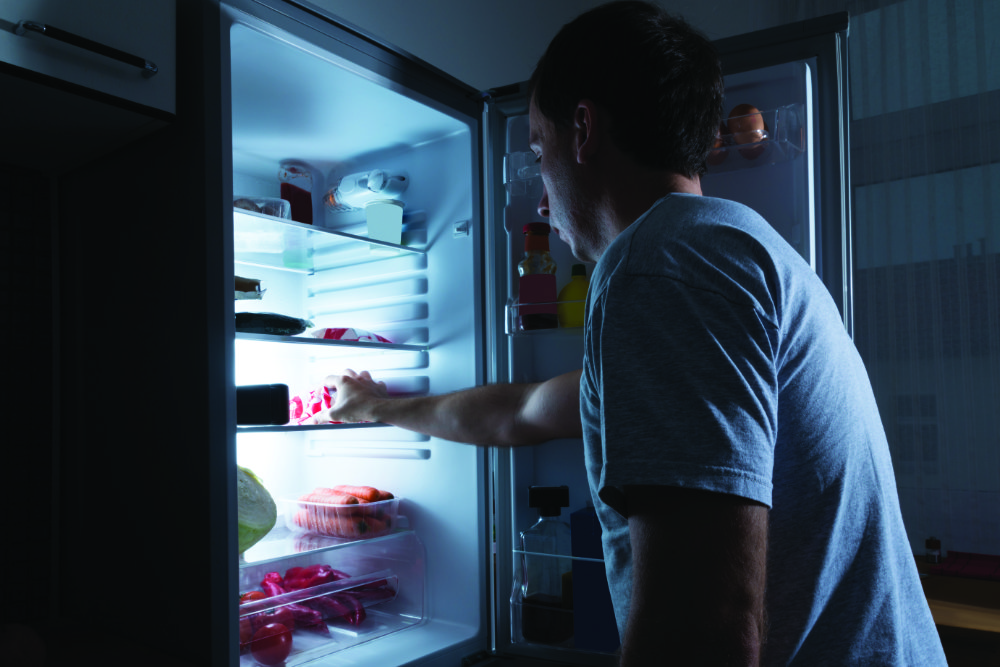
We are lucky if this cycle only occurs at work, but unfortunately it shows up in almost all other areas of our lives. Research shows that difficulties in emotional regulation and handling anxiety can lead to procrastination, which later can cause other misbehaviors like binge eating, anger control issues, and self-control problems. But how are they related? Think about the ways we calm ourselves: a big chocolate ice cream, overspending on shopping, yelling to release our anger or scrolling on social media. All of these impulsive behaviors have a common function, which is “feels good in the moment,” but in the near future they create real problems.
 
Luckily, this is not the end of the story. There are some tips to help you change your old unfriendly habit of procrastination, such as: breaking the task into smaller parts, reminding yourself of the reason for doing the unpleasant task, or using small rewards after finishing a part of your work. But you are not forced to make this change all alone! We are here to support you, to be with you on this journey of battling all this guilt, stress, and impulsive behavior. Are you ready to be more in control and focused? Check out our courses, which are designed by our experts to cure procrastination and impulsive behaviors like binge eating, overspending, anger management, and self-control issues. Today could be the day to change the thing that you don’t want to be defined by.

References

    1. Dryden, W. (2021). Overcoming procrastination. Hachette UK.
    2. Constantin, K., English, M. M., & Mazmanian, D. (2018). Anxiety, depression, and procrastination among students: Rumination plays a larger mediating role than worry. Journal of Rational-Emotive & Cognitive-Behavior Therapy, 36(1), 15–27.
    3. Mohammadi Bytamar J, et al. Front Psychol. 2020. PMID: 33250800
    4. Dingemans, A., Danner, U., & Parks, M. (2017). Emotion regulation in binge eating disorder: A review. Nutrients, 9(11), 1274.
    5. Duru, E., Balkis, M., & Duru, S. (2024). Fear of failure and academic satisfaction: the mediating role of emotion regulation difficulties and procrastination. European Journal of Psychology of Education, 39(3), 2901-2914.
    6. Pitts, M., & Bennett, J. (2011). Just do it: Tips for avoiding procrastination. The Writing Center Georgetown university law center, 1-7.
    7. Gautam, A., Polizzi, C. P., & Mattson, R. E. (2023). Mindfulness, procrastination, and anxiety: assessing their interrelationships. Psychology of Consciousness: Theory, research, and practice, 10(4), 441.
    8. Eckert, M., Ebert, D. D., Lehr, D., Sieland, B., & Berking, M. (2016). Overcome procrastination: Enhancing emotion regulation skills reduce procrastination. Learning and Individual Differences, 52, 10- 18.
    9. Hutchison, T. E., Penney, A. M., & Crompton, J. E. (2018). Procrastination and anxiety: Exploring the contributions of multiple anxiety-related disorders. Current Issues in Personality Psychology, 6(2), 122-129.
    10. Wypych, M., Matuszewski, J., & Dragan, W. Ł. (2018). Roles of impulsivity, motivation, and emotion regulation in procrastination–path analysis and comparison between students and non-students. Frontiers in psychology, 9, 891.
    11. Engel, S. G., Boseck, J. J., Crosby, R. D., Wonderlich, S. A., Mitchell, J. E., Smyth, J., … & Steiger, H. (2007). The relationship of momentary anger and impulsivity to bulimic behavior. Behaviour research and therapy, 45(3), 437-447.