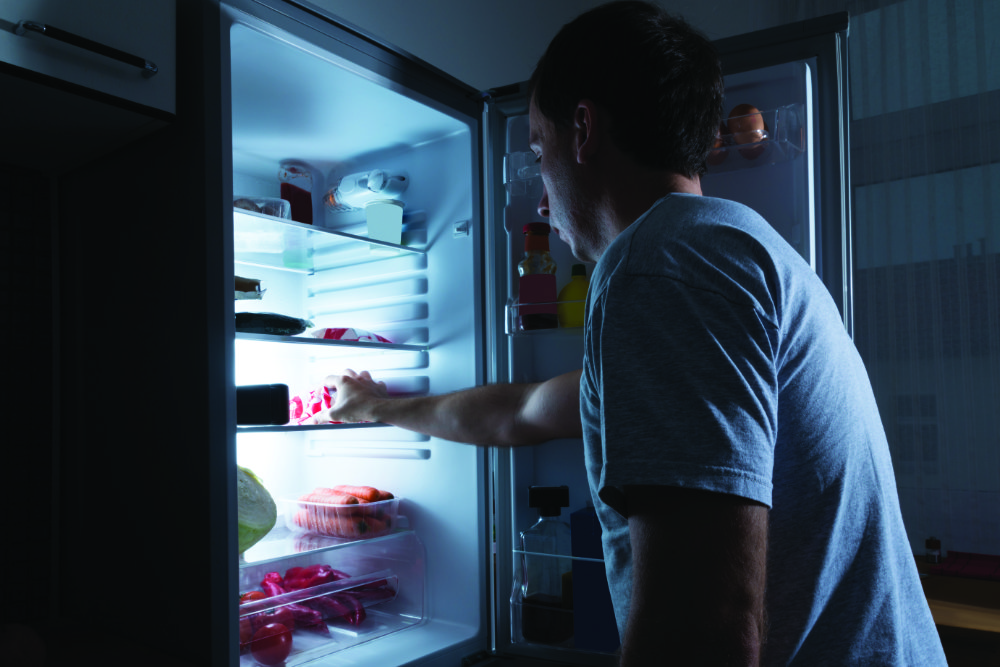
Alex is a university student, smart and creative, but often restless. He loves his girlfriend and wants to do well in class, but lately, he’s been snapping at small things—slamming doors after arguments, breaking objects in frustration, drinking too much with friends to cool down. He doesn’t understand why his reactions feel so extreme.
In our book Impulse and Fire: Reset and Regulate Anger and ADHD, we write that this pattern isn’t about being a “hothead.” It’s about how ADHD changes the way the brain processes emotions.
ADHD and the Short Fuse
ADHD is not just about attention or focus. It’s also about impulsivity—the tendency to act before thinking—and emotional dysregulation. Research shows that around 70% of adults with ADHD struggle to regulate emotions (Nigg, 2020). This means that anger doesn’t just burn hotter; it burns faster.
One small frustration—like a changed plan, a late text, or a noise interruption—can feel overwhelming. The brain’s “pause button” doesn’t work as well. Instead of slowing down, emotions surge and spill out.
Why It Feels So Different
In Impulse and Fire, we explain how the ADHD brain struggles with executive functioning—the mental command center that controls planning, inhibition, and self-regulation. When this system is weak, anger has fewer barriers to break through.
That’s why ADHD anger often feels different from ordinary irritability. It comes quickly, with more intensity, and lingers longer. People describe it as being swept into a storm without warning. The science shows this isn’t lack of willpower—it’s a neurological feedback loop that needs to be retrained.
The Cost of Unmanaged ADHD Anger
Unchecked, ADHD anger can damage relationships, disrupt work, and spiral into shame. In Alex’s case, outbursts left his girlfriend walking on eggshells and his academic performance sliding. For others, it leads to broken trust at home, career stagnation, or even risky behaviors like road rage, drinking, or overspending.
A Way Forward
The first step is understanding that ADHD anger is not a personal flaw—it’s a brain pattern. The second step is learning tools to slow it down, reshape it, and build resilience.
That’s why we pair two resources:
- Impulse and Fire: Reset and Regulate Anger and ADHD – where we explain the ADHD–anger connection in detail, with case examples and science-based strategies.
- Impulsivity Project Online Anger Management Program – where you put these strategies into practice, step by step, with guided exercises and accountability.
Anger doesn’t have to define you. With the right support, it can be understood, managed, and transformed into strength.
References
- Richard, Y. (2025). Impulse and Fire: Reset and Regulate Anger and ADHD. Epic Journeys Publishing/
- Nigg, J. (2020). Emotion dysregulation in ADHD: A clinical perspective. Journal of Child Psychology and Psychiatry, 61(3), 231-239.