
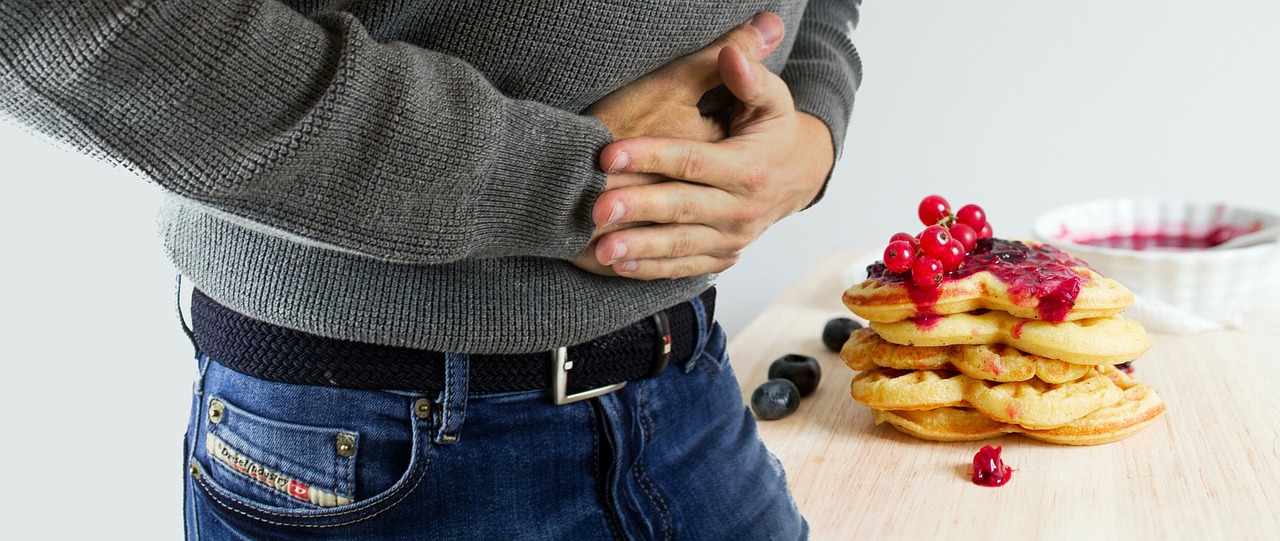
The urge to indulge in festive treats (and then sleep it off!) gets a bit of a laugh at this time of year. Everyone has a story of overeating at Christmas lunch then having a nap in the afternoon before waking up and doing it all again.
For most of us, this is a one-off thing that happens only at Christmas. It’s a time when we feel safe and comfortable, as well as relaxed enough to truly enjoy all the good things of the season.
But, for others, the urge to overeat strikes more often. This can lead to physical impacts, such as weight gain and lethargy. It can also result in mental and emotional challenges as people who can’t stop binge eating struggle with shame and embarrassment.
While binge eating may not be a problem for you, you might still want to avoid the Christmas food coma this year. Whatever your personal situation, the first step is to understand WHY Christmas is a trigger for overeating.
Why do we tend to have a Christmas food coma?
As a time of celebration, it’s natural to want to let yourself go at Christmas. Sharing good food and good times with friends and family is a time to savour. The end of the year is also a time for relaxation and enjoyment.
From a psychological viewpoint, there are several reasons we tend to overeat at festive events:
- It’s allowed (most of us believe that Christmas gives us a free pass on diets)
- Food is everywhere (did anyone say leftovers?)
- The food is rich (cakes, puddings, seafood, roasts, and treats are rich and filling)
- We drink more (alcohol consumption lowers our inhibitions so we tend to eat more)
- We eat our feelings (when you’re uncomfortable, stressed or upset, you’ll snack)
- Everyone else is eating (so we’ll follow their lead and tuck in, even if we’re not hungry)
- Lack of routine (it’s holidays so normal rules and eating plans don’t apply).
From childhood, we’re conditioned to associate Christmas and the holiday season with food. That alone makes it hard to resist the urge to overeat. Then there’s the impact of all the above factors too. No wonder we struggle to avoid the almost inevitable Christmas food coma!
5 ways to limit overeating this Christmas
While overeating is more accepted at this time of year, it doesn’t mean you should just give up and overindulge. If you really want to change things up for the festive season, why not give these ideas a try?
Start by drinking a glass of water
Drinking a glass of water before you start eating will fill you up a little. This means you shouldn’t be so desperate to gorge on festive snacks. Water also plays an important part in digestion. So, if you do happen to overeat, you’ve given your stomach a head start. Take a refillable water bottle with you and sip on it throughout the day to reduce the urge to keep snacking.
Limit your alcohol intake
Most people enjoy a festive drink or two, but this can quickly turn into three or more. We know that alcohol impacts decision-making and lowers inhibitions, which can lead to overeating and binging. Where possible, arrange to be the designated driver so you’re less likely to drink to excess. This way you can stay in control and on top of both your food and alcohol intake.
Eat a healthy snack before you go
If you’re really worried about not being able to resist temptation, have a healthy snack before you head out. This could be some fruit, yogurt, a muesli bar, or a handful of nuts. You’ll still be able to indulge in the Christmas feast (don’t worry about that!) But having something already in your tummy should make you think twice about going for seconds (and regretting it later).
Sit away from the food
If you can, find a place away from where food is being shared. Most people get caught out by grazing throughout the day. If you can position yourself away from temptation, it will help you avoid overeating. If you’re at a fully laden table, try to sit away from your favourite foods. You’ll be less inclined to mindlessly snack if you can’t easily reach the foods you love.
Be mindful when eating
This is a skill that takes time to develop but it’s worth it (especially if you struggle with binge eating throughout the year). Mindful eating sees you reduce the distractions around food so you can focus on the feel, smell, taste, sound and look of your meal. This eliminates mindless snacking, stops the binge, and makes eating a more pleasurable and satisfying experience.
Is your Christmas food coma a sign of a bigger issue?
If you find yourself binge eating at other times of the year (not just at Christmas) this could be a sign of a bigger problem. For instance, this could be a sign of impulsivity. Luckily, there is help at hand to help you regain control.
Impulsivity is an online hub where you can access expert help and support, whenever you need it. Developed by trained professionals and designed to match your own pace, our online impulsivity courses will help you better manage impulsive behaviours, like overeating, for good.
Developed by a team led by Dr Yuliya Richard (a clinical psychologist specialising in impulsivity), our courses use scientifically proven strategies to help you understand and overcome the specific impulsive behaviours affecting everyday life.
If you want to take charge of your life and manage your impulsivity for good, we can help. Offering a range of online courses, Impulsivity can guide you towards a healthier and happier life. Take our quick impulsivity test now to see if we can help!


